Friday, March 18, 2016

TO CRATE OR NOT TO CRATE?

Crated to enjoy his bone in peace
When I posted a video showing the feeding process for our 9 dogs, with 5 of them eating in crates, it sparked a debate about the use of crates. Some people think they are cruel, while others think they are a great invention. When I posted on my personal Facebook page regarding the use of crates, I had 92 responses in favor of the judicious use of crates. Here are some of the pros:
1. Dogs are den animals and see the crate as their den. Wild dogs spend up to 16 hours a day sleeping in their dens.
2. Dogs are like toddlers (particularly puppies) and should not be allowed free range in the house with no supervision when owners are away. Electric cords are not chew toys.
3. Crates can be used to separate dogs at feeding times so medications in food go to the correct dogs, there is no food guarding, and dogs can eat at their own speed.
4. Dogs that are crate trained will be less stressed when crated at the groomer or veterinary office.
5. Crates are great during transportation, improving pet and driver safety.
6. Crates are great to assist with house training. Dogs will not soil their dens (unless left in the crate too long and they just can't hold it or they have not been properly crate trained and they are anxious).
7. Crates provide a safe haven when workmen or guests go in and out of homes, preventing possible escape through an open door.
8. Crates protect visitors, like small children, if a pet may get overwhelmed or be prone to nip or jump up and scratch.
9. Dogs that are used to crates won't complain if they have an injury and need to be confined for recovery.
10. Puppy mill survivors sometimes view the crate as a safe haven (my Lora Lu loved the crate) because that is all they know.
Making her own den under a chair
11. Crates provide a safe haven for sleeping and alone time.

Reasons why people dislike crates:
1. Crates have been used by some as a form of punishment.
This is not the purpose of a crate. It should be a safe haven.
2. Confinement is cruel. I agree, if you leave your pet in
there 6 to 12 hours a day with no relief. Puppies should be in there no more than 3 to 4 hours at a time.
3. Some dogs go crazy in a crate and hurt themselves trying
to get out. This is true - for dogs that have not been
properly trained to use a crate.
4. Dogs can hurt themselves by getting paws or toes stuck in wires or holes in the crate. This is true, but they could also get hurt many other ways while living outside a crate. We had 3 torn ACL's in 4 months, which all occurred while playing outside in freedom. I have never had a dog get hurt in a crate.

For tips on proper crate training, check out this advice by Dr. Karen Becker.

We do not crate our dogs, other than at feeding time, to make sure everyone gets the right food, the right medications, and they do not feel threatened so they can eat at their own pace. We do have open crates around the house, which some dogs choose to go in on their own when they want a little privacy. Others choose the sofa or the bed :)


Tuesday, March 15, 2016

THERE'S HAIR, METAL, AND PLASTIC IN MY FOOD!

For years, people have been reporting finding foreign objects in their pets' kibble. We've almost come to expect it (and we should expect it). Most people don't examine the kibble that closely, but if they did, we would undoubtedly see even more photos like these. Kibble with pieces of plastic, wire, feathers, and hair protruding are commonplace. Why do all these things end up in pet food? It's easy to understand if you know how kibble is made.

Chicken meal and poultry meal ingredients are commonly made by vacuuming WHOLE chickens into a grinder. Obviously, this would include the feathers (not to mention intestines and their contents). Feathers don't disintegrate completely during grinding and cooking, which means you can find pieces of feathers sticking out of the food.

When animals are rendered to make meat and bone meal, animal fat, animal digest, or meat by-product meal, the entire animal carcass is melted down. This includes the hide and hair. Once the grease or fat is removed from the cooking process, the remaining cooked meat is run over shaker screens that remove the largest chunks of bone and hair. However, the hair may not be completely removed, leaving pieces of hair large enough to be found in the final product. The hair from pigs is particularly coarse, which leads some pet food companies to claim that small metal filaments found                                                       in the food are actually swine hair.

One of the most important pieces of equipment used in the production of meat meal for kibble in large factories is a magnet. Why are magnets needed in the production of pet food? The reason is simple - barn yard animals are full of metal. Cows are fed magnets to prevent "hardware disease". When cows are fed, they commonly pick up pieces of wire, screws, and nails around the feeding area. The pieces of metal settle in the reticulum (one of the four stomachs of cows) and can perforate the stomach. The magnets collect all the metal and hold it in one place so it won't kill the cow. When the cow is slaughtered, the pieces of metal and the magnets get ground in the process. It is estimated 75% of cows going to slaughter contain metal fragments. So the magnets used to process meat to make dog food are supposed to remove any metal pieces after the cow is slaughtered. Chickens may have metal bands on their legs, cows may have metal identification tags on their ears. All these pieces of metal are included when the animals are slaughtered.

The barnyard can also have pieces and bits of plastic that animals can ingest. Hay bales are bound with plastic or wire and trash from fields gets incorporated into the hay when it is baled. This all gets ground into animal feed, which then ends up in pet food when all is said and done.

So don't be surprised next time you find foreign material in the kibble. It's there.


Friday, March 11, 2016

FDA - AIDING AND ABETTING BIG PET FOOD COMPANIES?

In a recent post by Susan Thixton at truthaboutpetfood, she stated: "I directly asked the FDA – “Is FDA going to continue to allow non-slaughtered, dead livestock – that are a direct violation of the Federal Food, Drug and Cosmetic Act – into pet food?” The FDA told us ‘Yes – they will continue to allow animals that have died otherwise than by slaughter into pet food as long as the material has been treated to kill living dangerous bacteria’.The FDA openly admitted they will continue to allow pet food to violate federal law.
The simple truth of this situation: with the aid of FDA, the pet food industry is allowed to make billions of dollars each year selling adulterated pet foods to unknowing consumers, and pets are dying because of it. Some would call that aiding and abetting a criminal."

For those not familiar with this debate, the legal definition of pet food ingredients set by AAFCO, states that slaughtered animals can be used to make pet feed. State and federal laws state that pet feed is considered adulterated if it contains parts from animals that did not die at slaughter - as in: road kill, diseased and cancer filled carcasses,euthanized dogs, cats, and zoo animals, and animals that have died in the field and then transported un-refrigerated to rendering plants. At the rendering plant the carcasses are subjected to high heat to basically melt them. Included in the "melting" are I.D. tags, pesticide tags, drug residues, maggots, and all manner of toxins. Endotoxins are released from bacteria when they are killed and the endotoxins remain, even after heating. Bacteria commonly found in the bowel are some of the biggest producers of endotoxins. When the entire carcass, including the intestines and rotting putrid meat, is rendered, endotoxins are released. The endotoxins can lead to liver disease, reduced platelet counts, leaky gut, allergic reactions, inflammation, and in some cases, death for our pets. 
How do you know if the pet food you use contains these ingredients? Some common ingredients to avoid include Animal Digest, Animal Fat, Meat and Bone Meal, Animal By-Product Meal, Meat Meal, and Meat By-Product Meal. However, any kind of Poultry Meal or Poultry By-Product Meal will most likely contain the entire bird, including feathers and intestines and fecal matter, as poultry slaughter for pet food usually means grinding of the entire bird. 

How do you know how the different meat and poultry meals in your pet food are produced? You don't. Because nothing has to be revealed on the label. And many pet food companies buy meal that is produced elsewhere to mix into their pet food product. When people ask me why I won't feed kibble, I think this pretty much sums it up. For my pets, home cooked and high quality raw food are the only meals they eat. 

Tuesday, March 8, 2016

VACCINE CONTROVERSY

Bring up the topic of vaccinations for pets and you're sure to set off a war between those "for" and those "against". Both sides can defend their arguments eloquently, but we need to look at some basic facts when deciding the best course of action. Based on the facts, you can see the vaccine debate has been raging for over a century.

"For":
- In 1855 the first legislation was passed mandating vaccination of school age children.
- Vaccinations have saved the lives of millions of pets and humans by preventing illness.
- Vaccinations have helped eradicate or minimize outbreaks of serious diseases, like distemper and smallpox, that have killed thousands of pets and humans in the past.
- Vaccinations protect people from deadly diseases like Rabies, which are spread through infected animals.
- According to manufacturers, vaccines are safe, with very low incidence of adverse event reactions reported.
- Many veterinarians and pediatricians will not treat patients that are not vaccinated.
- Many boarding, grooming, day care, and hospital facilities will not admit unvaccinated animals.

"Against":
- In 1879 the Anti-Vaccination Society of America was formed
- In 1986 the National Childhood Vaccine Injury Act was passed in response to the large number of lawsuits filed claiming brain damage, illness, and death in children. The Act was intended to protect doctors, nurses, and vaccine manufacturers from liability.
- Vaccines are not safe; it is estimated only 1% of adverse event reactions are actually reported. Therefore, the volume of adverse events is actually quite high, and may be as high as 10%.
- Vaccine reactions occur ten times more often in small breed dogs than in larger breeds.
- Risk of an adverse reaction increases when more than one vaccine is given at one time.
- Vaccines provide immunity for many years and do not need to be given annually. Some may provide protection for life.
- Vaccines should only be given to healthy individuals. All vaccine labels and package inserts state that vaccines are for use in healthy pets only. Unfortunately, no one defines "healthy". Doctors and veterinarians do not consider allergies, poor condition, past illness, tumors, or cancer to be considered "poor health", opting to vaccinate in the face of disease.

No matter which side of the fence you are on, you will be able to find supporters. As an integrated veterinarian, I fall somewhere in the middle, but definitely more toward the "against". In my opinion, vaccinations are given too often, too many at one time, to animals with minimal exposure to the disease being "prevented", and to sick animals. In future blogs I will discuss my recommendations, but remember, each pet is an INDIVIDUAL, meaning vaccine recommendations must be INDIVIDUALIZED. There is no "one sizes fits all" prescription.


Sunday, March 6, 2016

NATURAL FLEA AND TICK PREVENTION


Now that we've decided our world is polluted from all the chemicals we are using, we need to come up with some more natural alternatives to keep our pets free from fleas, ticks, and other pests. I will put my thoughts on heartworm prevention in a different blog, but today I will offer some alternatives for external parasites. I rarely need to use anything on my dogs and cats. Even though we live in a humid environment in the summer and fall, my animals remain pest-free. I think they have healthy immune systems thanks to feeding a species-appropriate diet, using probiotics, and minimizing vaccinations and drugs. I have to believe that helps keep parasites away, but that's my personal opinion.

Essential oils have worked well in my hands in the past. Be careful when applying essential oils and don't overdo them. Remember that your pet's sense of smell is much stronger than yours. Apply oils in a well ventilated area and never spray around the pet's face. Cedar oil has worked well for many of my clients. It is available for use on pets or in the environment. Not everyone likes the smell of cedar and there are many other essential oil products available. Personally, I use Vetrirepel because I like the smell. Hue and I recently took the Vetrirepel with us on our trip to the islands to repel mosquitoes. It worked great! Lavender oil has been shown to repel ticks, while lemongrass oil seems to work particularly well against fleas. Peppermint oil will affect the nervous system of fleas and ticks without harming your pet. Many people use rose geranium oil and find it works well. Neem oil has been around forever and is another favorite. The spray I use for my horses (Ricochet) contains neem and I love the smell. Rose geranium oil is safe to use full strength directly on the pet, but you will only need to apply one drop behind each shoulder blade and one drop near the base of the tail. Other oils should be diluted before applying to pets. Oils can be diluted in EVOO or water and rubbed throughout the coat. They can also be diluted by putting a few drops in your favorite pet shampoo or conditioner. A bandanna with a few drops of diluted essential oil can also be used as a natural flea collar. Make sure the smell is not overwhelming, as this will be close to your dog's nose.

Coconut oil kills and repels fleas due to the ingredient lauric acid. Coconut oil can be rubbed through the coat and can be fed to the pets. I use 1 teaspoon per 20 pounds of body weight twice daily in the food. Coconut oil melts at 76 degrees, so rubbing it between your hands will make it into a liquid that you can rub through your pet's coat. It moisturizes skin and helps kill yeast too.

Another great product is Bug Off Garlic for dogs (not cats). I have used this in the past in my barn for the horses. We still had flies, but the horses eating the product were bothered a lot less than the horses that weren't. A lot of people claim dogs will die when fed garlic, but that simply isn't true and this is a great product. Fresh crushed garlic can also be added to your dog's diet for flea protection. Anywhere from 1/2 clove to 2 cloves daily would be considered safe, depending on size of the dog. A good rule of thumb would be no more than 1/2 clove per 20 pounds of body weight daily, with a maximum of 2 cloves for any size dog. However, if you have a pet that has a history of hemolytic anemia, it would be safer to avoid use of garlic in any form.

I do not recommend using Brewer's Yeast tablets for flea prevention. Brewer's yeast basically contains B vitamins, but they are processed and degraded. B vitamins supplied naturally through a healthy diet will be more effective.

Beneficial nematodes can be used to kill flea larvae in your yard. Remember, the squirrels, rabbits, mice, and other small critters outside can be harbingers of fleas. Nematodes will not survive in hot, sunny areas of the lawn, but the fleas and ticks do not like those areas either. So spread these little guys in the shady, moist areas where the fleas and ticks are most likely to be found.

Ticks like cool, shady places, so a short-cut lawn with lots of sun will deter tick infestation. Plant deer resistant plants in your yard so deer will not be as tempted to enter (I found out the hard way they LOVE tulips!). Plant lavender, sage, mint, wormwood, rosemary, and marigolds, which the fleas and ticks do not like.

If you are in a suitable area, a few chickens (you can collect your own organic eggs!) or guinea hens will go a long way toward keeping tick populations down to a minimum.

Food grade Diatomaceous Earth can be sprinkled in the environment or on the pet. Be careful when using topically, as you don't want your pet to inhale the dust. DE will be drying to the coat, which is why it works to kill fleas and ticks - it dries them out.

Many people claim vinegar works well. It can be added to the drinking water at the rate of 1 teaspoon per quart of water. We used to make a mixture of white vinegar and Skin So Soft to use on our horses. They had shiny coats and smelled great! Vinegar can also be diluted in water in a 1:1 mixture and sprayed on the coat.

Don't forget the old fashioned flea comb. The teeth are very close together and will comb out fleas and flea eggs. Put the fleas in a bowl of dish soap as you remove them, as this will kill them. These are particularly good for cats because it's a lot harder to bathe a cat. Comb your pets daily if you have any evidence of flea activity.

Vacuum. A lot. Vacuuming will help remove the fleas, eggs, and larvae in the environment. Be sure to get in the corners, under the furniture, and in the crevices under the sofa cushions if your pet sleeps on the furniture. Wash pet bedding often in hot water.

No matter which prevention method you choose, remember that pets can still succumb to diseases spread by these parasites, even with the use of chemical preventatives. I have had many patients become ill, even though they had monthly chemicals applied, either topically or orally. There are NO guarantees your pet will remain free of pest-born diseases, no matter what you use. Keeping your pet free from Lyme disease, Anaplamosis, Ehrlichiosis, tapeworms, or other diseases does not mean you need to resort to chemical prevention. Vigilance and common sense, along with the use of natural preventatives, will keep your pets healthier in the long run. By avoiding the use of chemicals, our environment and the health of the planet for future generations will be greatly improved.

Saturday, March 5, 2016

A WORLD AFRAID OF BUGS

Let's face it, the human race is afraid of bugs. My son and half my staff run screaming from the room when they see a spider. Stink bugs are everywhere in New Jersey in the spring, dive bombing us when we least expect it. For whatever reason, things that fly, hop, and bite give us the creepy crawlies. We don't want to be assaulted by fleas, ticks, mosquitoes, wasps, and gnats and we don't want our pets to be subjected to these pests either. In our planned assault against these creatures, we have resorted to living in a chemical world, constantly bombarding ourselves and our pets with toxins that could just as easily kill us, instead of the bugs we are trying to eliminate.

Not only do we risk toxicity by direct application of the chemicals; we are also exposed through the environment. All drugs that enter the body, whether through oral ingestion or topical application, enter the bloodstream, filter through the body, and are excreted through the stool or urine. These waste products then enter the soil and waterways. Crops take up the chemicals from the soil and water through their root system and we end up ingesting the chemicals and their potentially harmful metabolites through the foods we eat. Animals grazing on the tainted plants are also exposed. Many of these pesticide chemicals are neurotoxins for the insects and arachnids (fleas and ticks) they are meant to kill, but that means they will have the same effect on beneficial insects in our world. If we kill the bees we don't have pollination. Not a pretty picture. Earthworms are also extremely sensitive to these pesticide chemicals. Not only are we killing many beneficial life species, but we are also creating super-species of drug resistant bacteria and pests.

Little work has been done to determine the uptake of these chemicals into organisms and through the food chain. No long term studies have been performed. New drugs like alfoxalaner and fluralaner (Nexgard and Bravecto) had no long term environmental studies performed, yet their toxic potential is monumental. Drug companies keep making bigger, better, stronger chemicals to keep the bugs at bay, but at what cost to the health of our bodies and our world?

I know I promised to give you more natural alternatives and that is coming. Stay tuned.

Thursday, March 3, 2016

FLEAS, TICKS, AND DRUGS OH MY!


No doubt about it, fleas drive us and our pets crazy. While considered a nuisance for some, they are capable of spreading serious diseases like Typhus, Bubonic Plague, and tapeworms. They thrive in warm, humid environments that provide the ideal scenario for reproduction. Female fleas have a lifespan of 30-90 days and are capable of discharging 40 to 50 eggs per day, potentially resulting in hatching of thousands of eggs. The adult fleas we see are only the tip of the iceberg, as 95% of the flea population is present as eggs, larvae, and pupae. So if you are seeing a lot of adult fleas on your pet, you have a serious infestation. Larval and pupal stages can survive cold temperatures, waiting until spring to hatch.

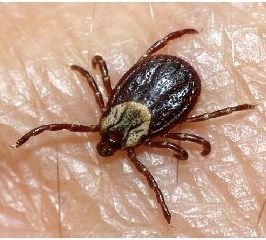
Ticks have been present on earth for millions of years. They are harder to kill and survive temperature extremes, with a lifespan of months to years. One female can lay thousands of eggs, which hatch when temperatures and humidity rise. Ticks can transfer viruses, bacteria, and protozoa to their hosts, resulting in serious illness. These include Lyme disease, Rocky Mountain Spotted Fever, Ehrlichiosis, Anaplasmosis, tularemia, and tick paralysis. Once attached, ticks are harder to remove from the host. Ticks have been responsible for economic losses from infestation of cattle herds, but interestingly, not all animals in the herd will be affected equally. Usually the weaker animals will have high infestation while the stronger animals will be minimally infested.

Over the years, strong chemicals have been developed to deal with these parasites. Development of new chemical products has been driven by fear and greed. Drug companies feed on our fear of disease and their need for higher profits. Unfortunately, our pets often pay the price with their lives when new chemicals are developed that cause seizures, liver and kidney failure, and skin reactions. Problems with chemical treatment of livestock include toxicity to handlers and animals, environmental contamination of land and water supplies, residues contaminating meat and milk, and development of resistance to the chemicals by the fleas and ticks.

Vaccinations have been developed to protect pets and livestock against the diseases spread by these vectors, most notably Lyme Disease for pets and multiple vaccines for livestock. Unfortunately, many pets with minimal exposure to ticks are vaccinated every year for Lyme disease. Again, fear and greed drive the push for vaccination when it is not warranted.

If you want to avoid the use of chemicals in your pets, how do you deal with these potentially disease-causing pests? Stay tuned for part two.